

This is your no-nonsense guide to launching strong as a new player, with clear priorities for building a formidable fleet and, should you choose to invest real currency, the highest-ROI options for maximum long-term power.
The game blends base-building, resource logistics, ship customization, large-scale fleet combat, bounty contracts, mining operations, and galactic events. You start small (outpost + a pair of frigates) and scale into massive, customizable fleets clashing across star systems.
1. Early Game Priorities (First 24 Hours & Beyond)
Focus ruthlessly on infrastructure and logistics before chasing big ships. Resources (Metal, Crystal, Deuterium/Dust) come from mining nodes with Utility Ships and mission/pirate farming. Tech points (key for ship upgrades) come steadily from Utility Ships.
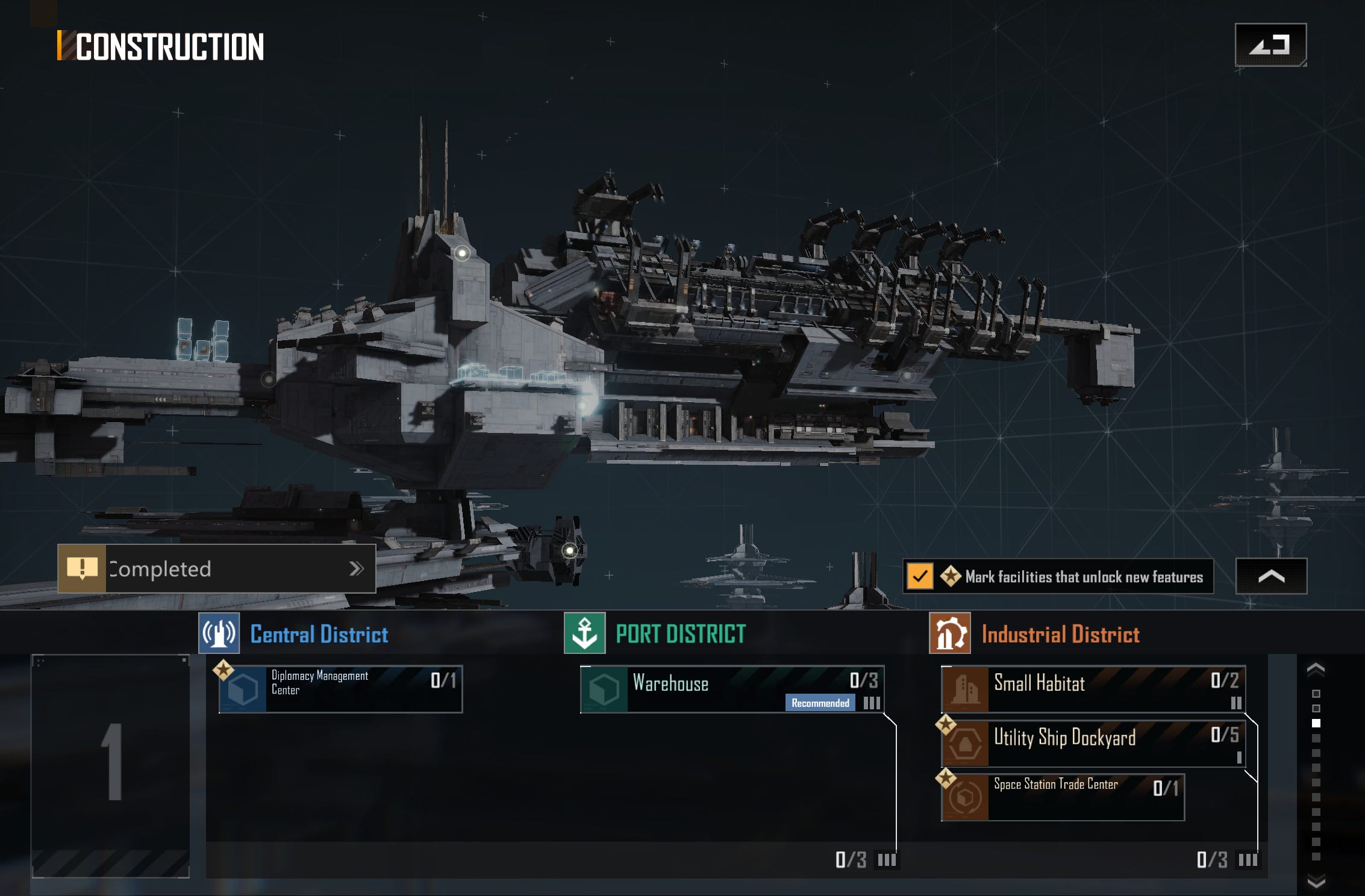
Core early rush (Zone 1 → Zone 2 → Zone 3):
Rush Base to Lv. 2 quickly: Prioritize Capital Shipyard I (Lv. 4), Warehouse I (Lv. 4), Generic Port I (Lv. 3). This unlocks Zone 2 (~40 min).
Build Utility Ship Dockyard (Lv. 1 is enough initially). Rush 2–3 Utility Ships immediately and deploy them on nearby nodes (ideal: 1 Dust + 1 Metal). Tech point priority order: Mining Speed > Warp Speed > Cargo Space (adjust if pairing with fast frigates).
Build a small combat force: 2+ of any early ship (aim for 6 total frigates for missions). Attack nearby pirates (use at least 4 FG300 or better; disable auto-return to control timing). Complete missions for resources and progression.
Advance to Base Lv. 3–4: Unlock more ports, plants for passive income, Trading Center, Destroyer Dockyard, etc. Research order example: Small Integrated Plant → Repair Dock → Habitat → Smelting Plant.
Key mechanics to master early:
Missions and pirate farming fund nearly everything at the start.
Utility Ships are immortal logistics powerhouses — keep them mining and generating tech points constantly.
Base expansions unlock new dockyards and ship classes progressively.
Join an active Union as soon as Chapter 5 opens for support, coordination on galactic events, and better play experience.82
Pro move: Monitor your engineering prefab and speedups carefully. Avoid over-rushing very short builds if you can leverage higher base tech later.
2. Building a Strong Fleet – What to Focus On
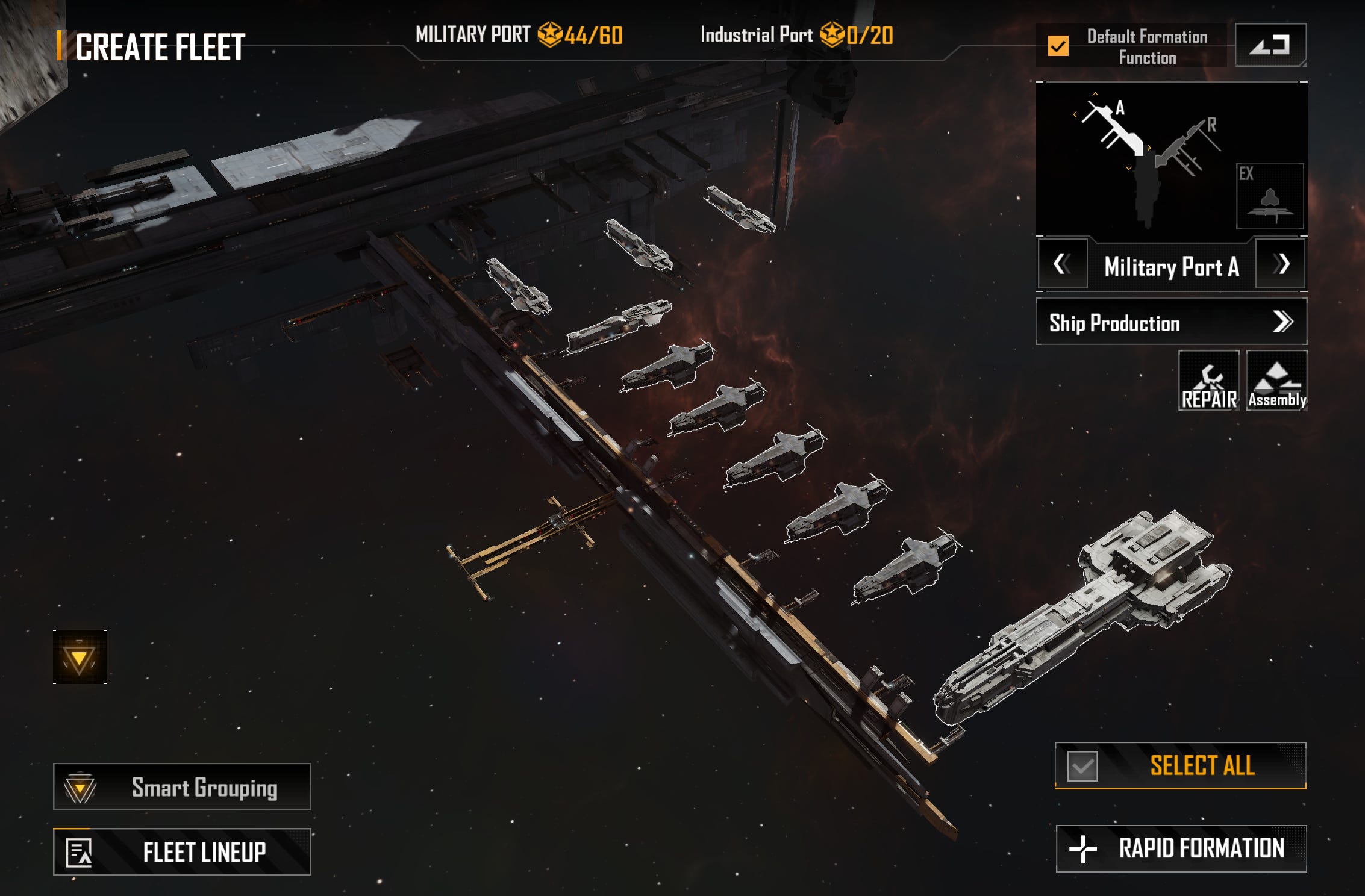
A strong fleet is balanced, focused, and well-upgraded rather than a scattered collection of random blueprints. Command points limit your deployment size, so quality and synergy beat quantity early on. Sub-fleets allow multiple simultaneous operations (mining, combat, exploration).
Ship categories & roles (high-level):
Utility/Resource Ships: Mining, construction support, tech point generation. Non-combat but essential.
Aircraft (Fighters/Corvettes): Screening, anti-air, burst damage. Deploy from carriers or bases. Examples: A101 Rational (fighter), Stingray (bomber), Wildfire (corvette).
Frigates/Destroyers/Cruisers (Capital): Versatile workhorses. Early staple: FG300 (multi-role frigate — cheap, reliable recon/combat). Later: Ceres (aircraft destroyer with fighter bays), Helios (heavy cannon assault), Taurus.
Battlecruisers / Supercapitals / Carriers: Heavy hitters and force multipliers. Standouts include Constantine the Great (pulse cannons, high-alpha missiles, excellent vs armored targets), Solar Whale (armed tactical carrier with corvette dock and strong overall combat presence).81
Fleet-building strategy for new players:
Early phase: Mass FG300 frigates + a few better ships for pirate hunting and missions. Build numbers to meet mission requirements (e.g., 8 frigates).
Mid progression: Unlock Destroyer and Cruiser dockyards. Aim for a core of 1–2 strong variants per class. Mix frontline tanks (high HP/armor battlecruisers), mid-line DPS (torpedo/missile/cannon destroyers and cruisers), backline support or carriers, and screening aircraft/corvettes.
Composition principles:
Balance damage types (physical missiles/torpedoes vs energy weapons — energy often scales well).
Include support/healing elements (e.g., NOMA-class ships mentioned in community comps).
Use Flagship bonuses wisely — different ships grant unique fleet-wide effects (e.g., Solar Whale for long-range strategic strikes or lockdown effects).
Concentrate Tech Points and variant unlocks on a small number of key ships rather than spreading thin. Duplicates help unlock higher variants.
Sub-fleets for parallel operations (one mining, one combat, one exploration).
Customization: Many ships allow weapon/module swaps or variant choices for role specialization (anti-armor, anti-air, logistics, etc.).
Long-term goal: A versatile main fleet capable of bounties, event participation, base defense, and scaling into large PvE/PvP clashes. Meta shifts with updates, so experiment but maintain a focused core.56
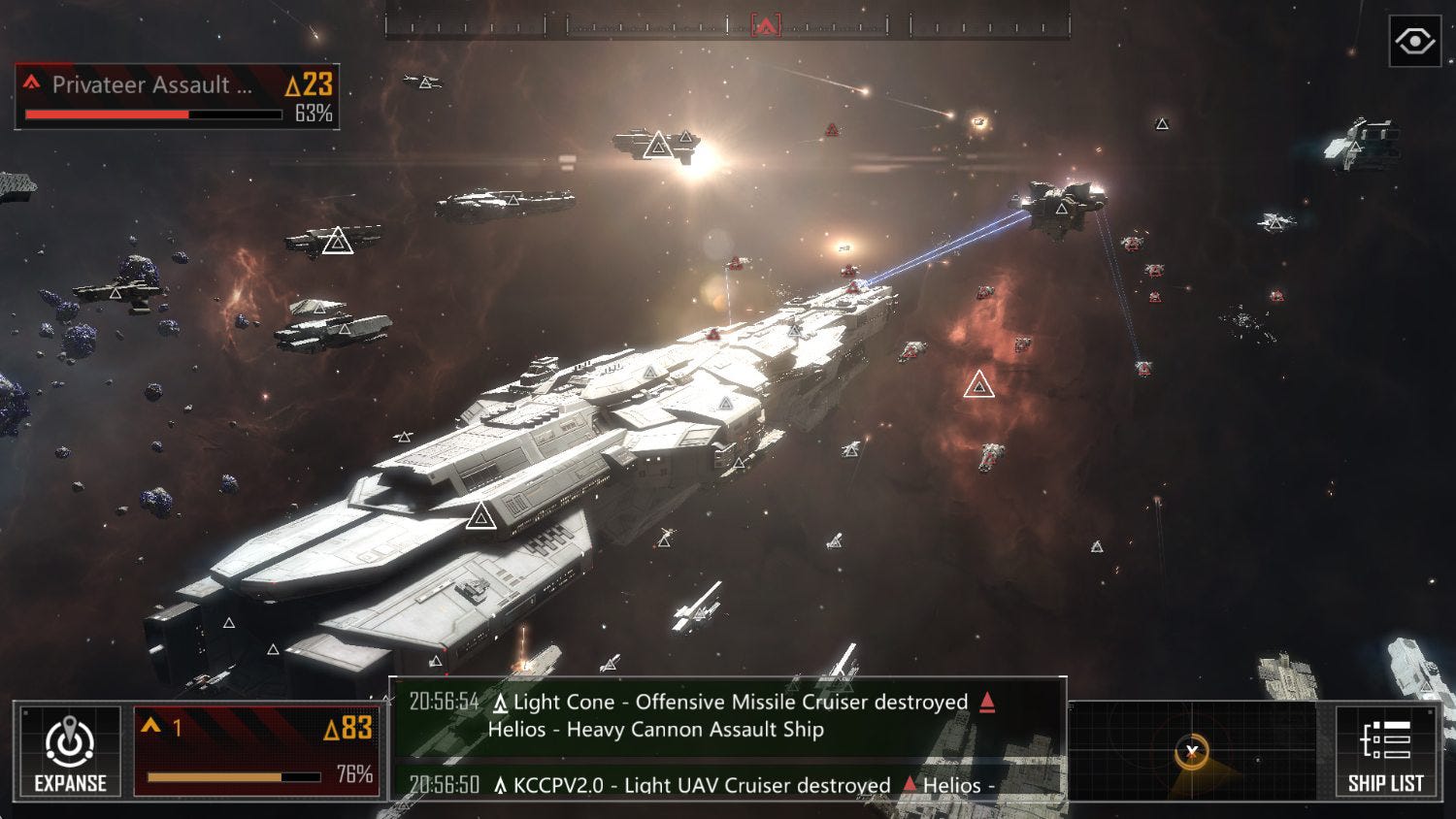
Visual example of fleet combat in action:
Prioritize unlocking and heavily investing in ships that fit your playstyle (aggressive bounty hunting vs defensive mining fleets). Community resources (r/InfiniteLagrange, game Discord, YouTube ship guides by creators like Damphyre) provide current tier lists and comp examples — check them regularly as balance patches occur.
3. If You Decide to Spend: Highest ROI Purchases
The game is playable F2P (many do well with patience and smart play), but blueprints, variants, and tech points are the main bottlenecks. Spending accelerates ship acquisition and upgrades dramatically. Focus on consistent, long-term value over flashy one-time bundles.
Top recommendations (highest ROI order):
Strategic Partnership Agreement (Dawn Funding Scheme): The single best ongoing purchase for most players. Provides daily Proxima coins, black market crate access, and steady tech files/blueprints. Excellent coin-per-dollar value and directly fuels your fleet progression every day. Highly recommended as your first (or primary) investment if spending.
Beginner Voyage Packs (I–V): Tiered entry bundles tailored for new players. Good value for resources, coins, and early acceleration while you’re still in the rookie phase. Grab the ones that fit your budget early.
Targeted event or daily small-value packs: During galactic events, look for high-value black boxes or crates. Small daily coin purchases can compound well when paired with the Partnership Agreement. Avoid random high-cost gacha unless the specific contents (certain blueprints) are exactly what you need.
Secondary considerations: Construction/upgrade speedups or base expansion bundles if you’re heavily time-gated, but these have lower long-term ROI than steady ship/tech income.
General spending rules for max ROI:
Prioritize anything that gives recurring daily/weekly value (agreements, passes) over pure one-time resource dumps.
Calculate effective value in Proxima coins or equivalent tech files/blueprints.
Never chase every pack — focus on what directly powers your core fleet (blueprints + tech points).
The game has typical mobile progression walls; smart spending smooths them without making it mandatory.
Final Protocol & Pro Tips
Join the community early: Active Union + Discord/Reddit for coordination, current meta comps, and event planning.
Playstyle balance: Spend time on base production, fleet tech investment, and active operations. Passive mining runs while you handle other tasks.
Events are force multipliers: Galactic events often require (and reward) coordinated fleet power.
Patience + focus beats scatter: A well-upgraded core fleet of synergistic ships will outperform a larger but under-leveled one.
Meta evolves — treat tier lists and comps as living documents.
Commander, the stars await your command. Deploy your Utility Ships, secure those early blueprints, and build with purpose.