Revelation 6:6 in 2026 Dollars: What a Day’s Wages Would Buy Under the Third Seal
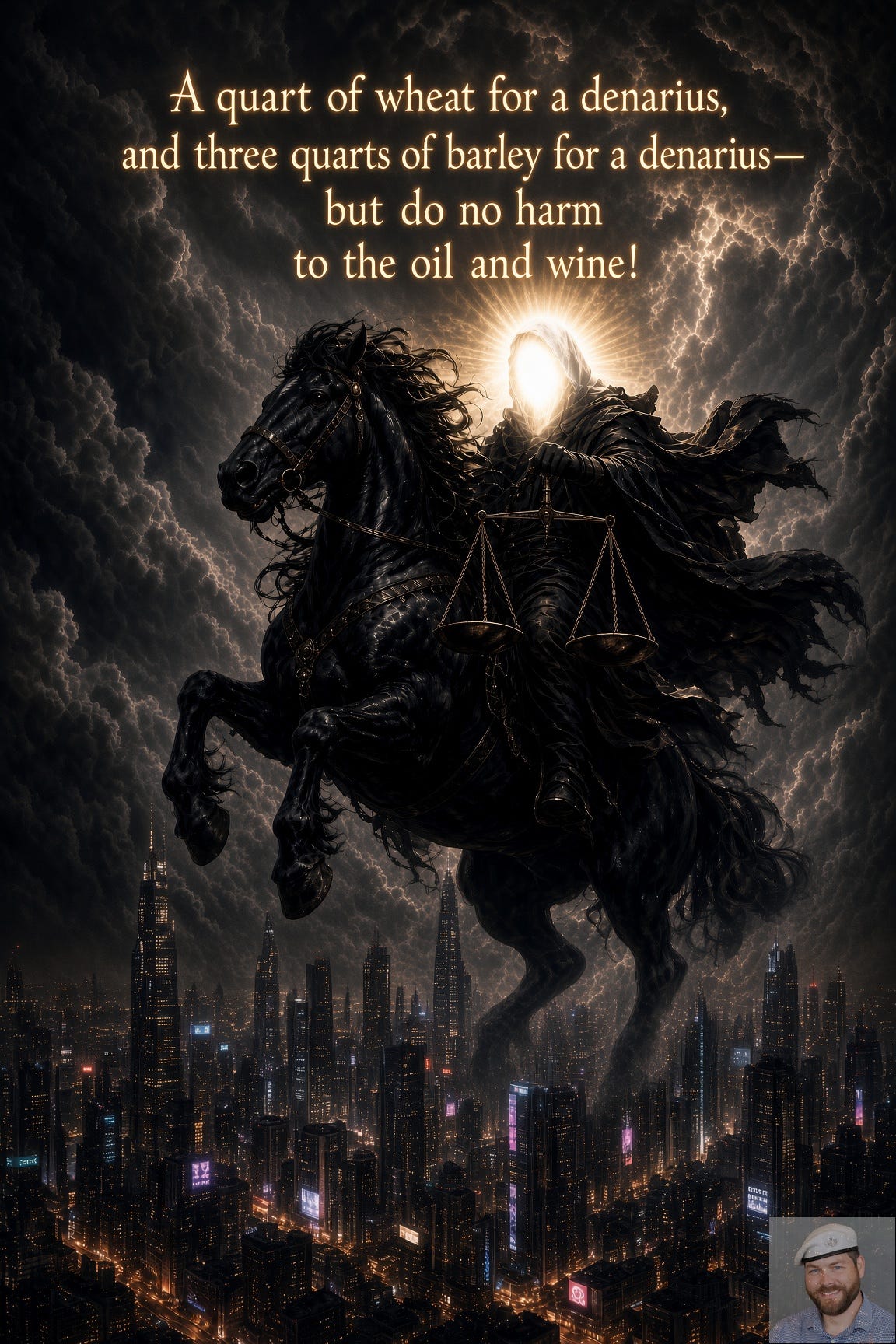
The third seal of Revelation opens with a black horse and a rider holding scales. A voice from the midst of the four living creatures announces marketplace prices that would have been shocking in the first century:
“A quart of wheat for a denarius, and three quarts of barley for a denarius—but do no harm to the oil and wine!” (Revelation 6:6, TLV)
A denarius was a common laborer’s daily wage. A quart of wheat (roughly two pounds) was about one person’s daily grain ration. In normal times that same denarius bought eight to sixteen times as much wheat. The verse therefore describes severe scarcity and inflation: an entire day’s work purchases only enough staple grain for one person to survive.
The question people keep asking is simple: what would those prices look like in today’s money?
A Denarius in 2026 Terms
A first-century laborer’s daily wage maps reasonably to a modern unskilled or general laborer’s pay. Using current U.S. figures:
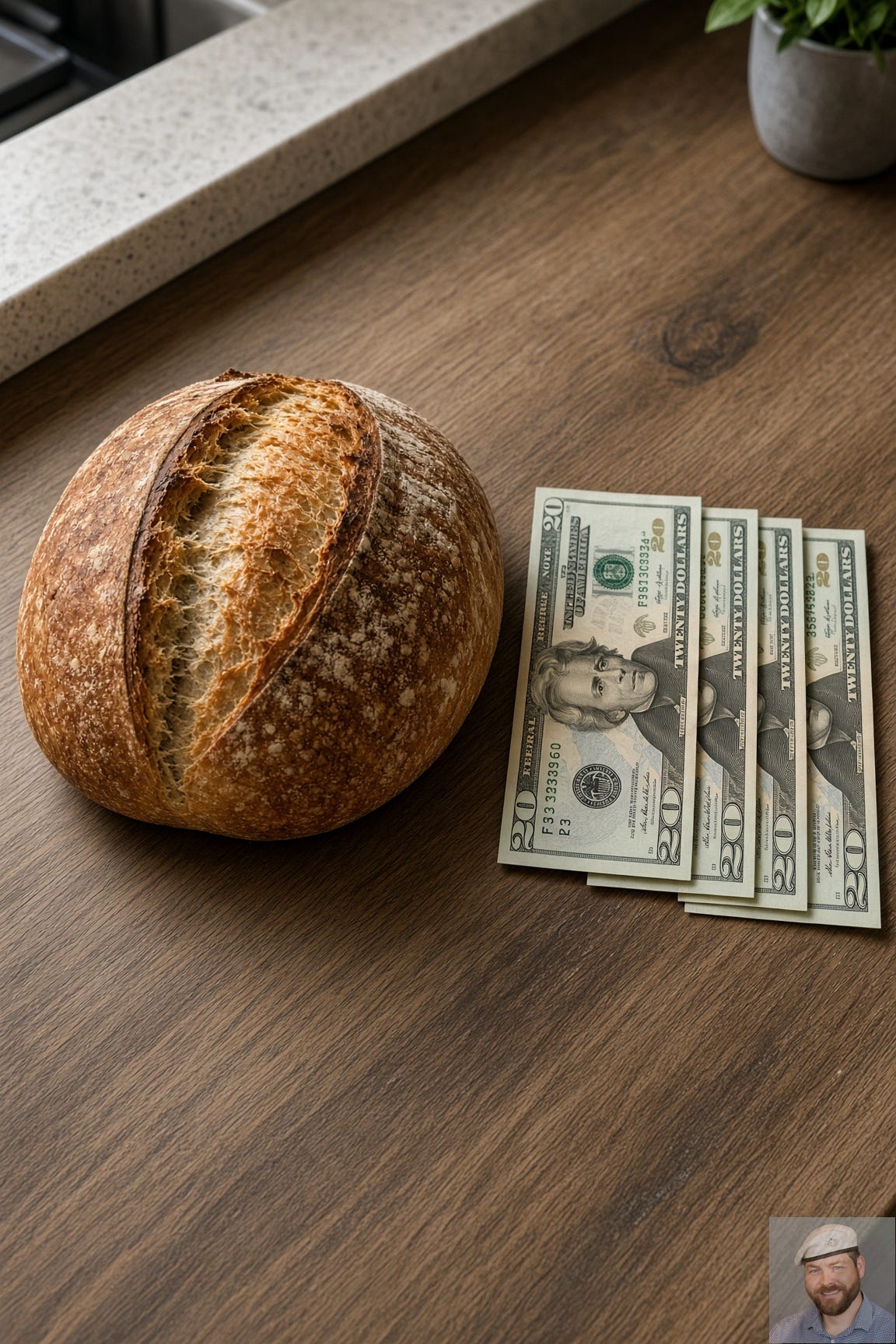
$15 per hour × 8 hours = $120 per day
$20 per hour × 8 hours = $160 per day
Those are conservative, realistic numbers for many day-labor and production jobs. Federal minimum wage produces a lower figure ($58), New Mexico’s $12 minimum produces $96. The mid-range $120–$160 range is the most useful comparison.
Current Wheat and Bread Prices
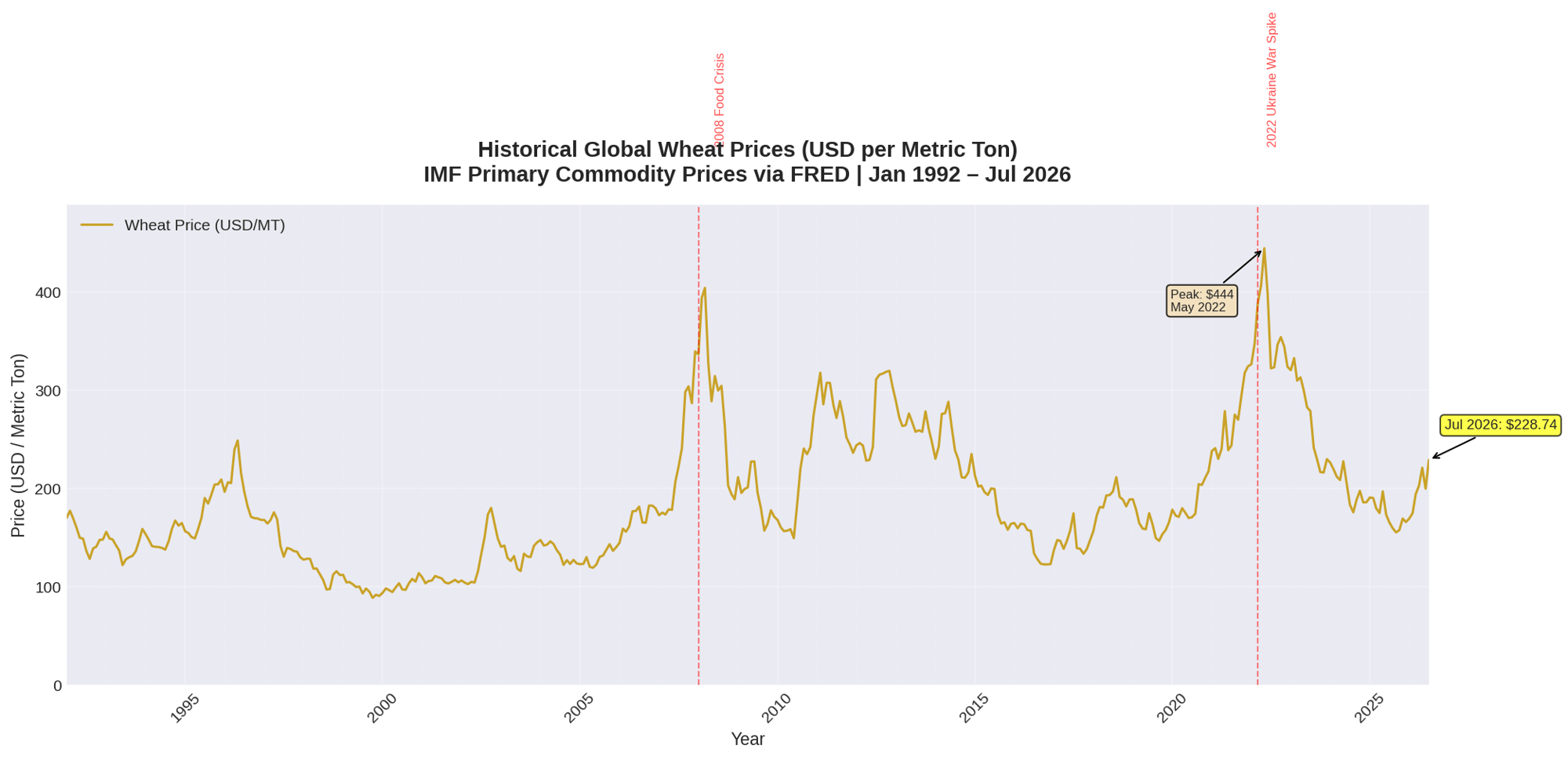
As of mid-August 2026, CBOT wheat futures sit near $6.80 per bushel. A bushel weighs 60 pounds, so commodity wheat costs about 11 cents per pound. Two pounds of wheat therefore cost roughly 23 cents.
Retail white pan bread averages $1.82 per pound (BLS, July 2026). A typical loaf (20–24 ounces) costs $2.50–$3.50. A day’s wages easily buy 40–70 loaves.
The Math That Matches the Verse
For the scripture to be accurate today, two pounds of wheat would have to cost an entire day’s wage.
At $120/day → wheat = $60 per pound
At $160/day → wheat = $80 per pound
A standard loaf uses roughly one pound of wheat or flour. Bread would therefore cost $50–$80 per loaf, depending on the exact wage used and loaf size. That is 25–40 times current grocery-store prices.
Barley, the cheaper grain in the verse, would still be expensive: six pounds for the same day’s pay. A family might stretch it to two or three loaves, but the worker would have nothing left for anything else.
Why Oil and Wine Stay Untouched
The command “do no harm to the oil and wine” is not an afterthought. Olive oil and wine were not daily staples for the poor; they were cash crops and modest luxuries. The famine hits the cheapest, most necessary calories first. The wealthy or those with stored goods are relatively spared. The scales in the rider’s hand are for rationing, not for plenty.
What Does This Mean
Current grocery prices do not fulfill Revelation 6:6. Bread is still cheap relative to wages. The verse describes a time when the most basic food consumes an entire day’s labor. That has not happened as of 19 August 2026.
The calculation simply shows the scale of the economic pressure the text is talking about. If wheat ever reached $60–$80 a pound, a single loaf would become a day’s work. That is the world the black horse announces.